

- What Is Mannacote?
- History and Origins of Mannacote
- Ingredients for Mannacote
- How to Make Mannacote Step by Step
- Recipe Variations and Customization
- Meat and Protein Variations
- Vegetarian and Vegan Variations
- Sauce and Cheese Variations
- Seasonal and Special Occasion Variations
- Chef Tips and Common Mistakes to Avoid
- Serving Suggestions and Pairings
- Nutritional Information
- Make-Ahead, Storage, and Reheating
- Where to Buy Mannacote
- Conclusion
- FAQs
- Is Mannacote the same as Manicotti?
- What is the difference between Mannacote, Manicotti, Cannelloni?
- Can I make Mannacote ahead of time?
- Can I use cottage cheese instead of ricotta?
- Why did my Mannacote filling turn out watery?
- Can Mannacote be made vegetarian or vegan?
- How long do you bake Mannacote and at what temperature?
- How do I store and reheat leftover Mannacote?
If you grew up in a Northeast Italian-American household, you probably heard someone call it mannacote before you ever saw the word “manicotti” on a restaurant menu. Same dish, different accent — and an entire world of comfort food wrapped inside those stuffed pasta tubes.
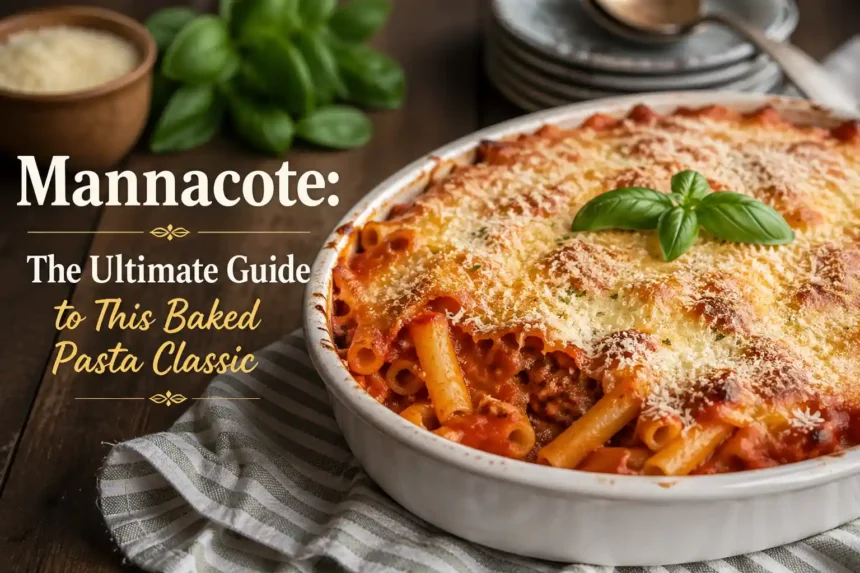
Mannacote is a baked pasta dish featuring large tubular pasta filled with a rich cheese mixture, covered in marinara sauce, and baked until golden and bubbling. It sits at the heart of Italian-American culinary heritage, passed down through kitchens in Philadelphia, New York, New Jersey, and beyond — not from cookbooks, but from memory and habit.
This guide covers everything: what it is, where it came from, how to make it properly, and how to customize it for any table.
What Is Mannacote?
Mannacote is the colloquial, phonetic variation of manicotti — a term rooted in the Italian word meaning “little sleeves.” The name describes the shape perfectly: large pasta tubes designed to cradle a generous, creamy filling before being baked under layers of sauce and melted cheese.
In many Italian-American homes, especially across the Northeast, the word manicotti shifted through accents and oral tradition into mannacote. It’s not a typo. It’s not an error. It’s a living example of how food language evolves when recipes travel across oceans and generations.
At its core, this dish involves stuffed pasta tubes — or sometimes crespelle (thin savory crepes) — filled with ricotta, mozzarella, and herbs, then baked in tomato sauce until the top develops that irresistible golden crust.
Mannacote vs. Manicotti vs. Cannelloni
These three dishes share the same DNA but differ in form and origin.
| Dish | Pasta Type | Origin | Key Difference |
| Mannacote | Pre-formed ridged tubes or crespelle | Italian-American | Colloquial/regional term for manicotti |
| Manicotti | Dried ridged tubes (store-bought) | Italian-American | Official term, durum wheat, DeLallo-style |
| Cannelloni | Fresh pasta sheets, rolled into cylinders | Italian (Italy) | Smoother, lighter sauces like béchamel |
Manicotti is quicker to prepare — pre-formed tubes make it ideal for beginners. Cannelloni leans toward formal presentation, often featuring béchamel and fresh pasta sheets. Mannacote, as most families make it, is the rustic, generous, foaming-sauce version that fills an entire baking dish and feeds a crowd without ceremony.
Stuffed shells (conchiglioni) use a curved, open shape — easier to fill with a spoon, but with a different texture. Lasagna rolls offer a flat-sheet alternative. Mannacote’s round tubes hold heavier fillings and maintain structure through long baking times.
History and Origins of Mannacote
The story of Mannacote begins in Southern Italy — specifically in Campania and Naples, where rolled pasta stuffed with ricotta and baked in tomato sauce was a fixture of Sunday meals and holiday feasts. Grandmothers filled fresh pasta sheets by hand, using whatever seasonal vegetables, herbs, or fresh cheese were available. These weren’t weeknight dishes. They were made for festivals, weddings, and celebrations.
When Italian immigrants arrived in the United States in waves during the late 19th and early 20th centuries, they brought these traditions with them. But American kitchens operated differently. Fresh pasta sheets weren’t always available.
Béchamel required ingredients harder to source. So cooks adapted — pre-formed manicotti tubes appeared in grocery stores, dairy became more accessible, and the filling grew richer with more mozzarella and Parmesan.By the mid-20th century, baked stuffed pasta had become a staple on Italian-American restaurant menus and Sunday dinner tables across New York, Chicago, and Philadelphia. The dish became larger, cheesier, and more decadent than its Old World counterpart — and deeply tied to the immigrant experience.
The Smithsonian Food History records reflect how immigrant kitchens adapted recipes to local tastes, giving birth to dishes like mannacote that blend Old World technique with New World ingredients. What started as a special-occasion meal became a weeknight staple — and the word manicotti quietly shifted into mannacote in households across the Northeast.
Ingredients for Mannacote
Pasta Shell Options
The foundation of this dish starts with choosing the right pasta. Classic store-bought manicotti tubes (24 manicotti tubes for a standard recipe) are the most accessible option. These dried, ridged tubes, typically made from semolina or durum wheat, hold filling well and firm up beautifully in the oven.
For a more traditional Neapolitan approach, crespelle — thin homemade crepes made from eggs, milk, and flour — create a softer, more delicate result. America’s Test Kitchen has tested gluten-free alternatives using rice flour or chickpea-based crepes with strong results. Oven-ready, no-boil pasta tubes are also available, and skip the pre-cooking step entirely.
Cheese Filling Ingredients
The filling is the heart of mannacote. A classic recipe uses:
- 24 oz whole-milk ricotta — provides the creamy base
- 1.5 cups shredded mozzarella — for stretch and melt
- 0.5 cup Romano or Parmesan — adds salt and depth
- 2 eggs — bind the mixture
- Dried oregano, dried basil, fresh parsley — classic Italian seasoning
- Garlic powder, onion powder, salt, black pepper — background flavor
- Pinch of nutmeg — subtle warmth (optional but effective)
For a silkier texture, blend in a small amount of mascarpone or cream cheese. Fontina, provolone, asiago, or Pecorino Romano can replace or supplement the standard cheeses depending on the depth of flavor you want.
Always drain your ricotta in a fine-mesh strainer for at least 30 minutes. Excess moisture is the main reason fillings turn watery.
Sauce Options
Sauce ties everything together. Options range from classic to creative:
- Marinara — tangy, traditional, and the most common pairing
- Béchamel — rich and creamy, ideal for a holiday mannacote dinner
- Arrabbiata — adds chili heat for a Calabrian-inspired version
- Vodka sauce — modern, crowd-pleasing, slightly sweet
- Alfredo — indulgent, best for white sauce variations
- Pesto drizzle — used as a finishing layer, not a base
A splash of red wine stirred into marinara adds notable depth. Lycopene-rich tomato sauces also contribute antioxidants that balance the richness of the cheese filling.
How to Make Mannacote Step by Step
Preparing the Pasta
Bring a large pot of salted water to a boil. Add the manicotti shells and cook for 10-12 minutes, but pull them out while they’re still firm. Al dente is essential here. Soft, overcooked shells tear when stuffed and collapse during baking. Drain in a colander and rinse with cold water to stop the cooking.
Making the Filling
Combine ricotta, mozzarella, Parmesan, eggs, and all seasonings in a large mixing bowl. If you’re using spinach, wilt it first, squeeze it completely dry, then fold it in. Mix until the filling is smooth and creamy — no dry pockets of cheese. Adding a pinch of nutmeg here lifts the entire mixture without drawing attention to itself.
Stuffing and Assembling
Transfer the filling into a piping bag or a ziplock bag with one corner snipped off. This approach is faster and cleaner than using a spoon. Fill each tube from both ends if needed, applying steady, even pressure.
Spread a base layer of marinara (about half a cup) across the bottom of your baking dish — this prevents sticking and adds flavor from below. Lay the filled tubes in a single layer, seam-side down. Cover with the remaining sauce. Finish with extra shredded mozzarella and Parmesan across the top.
Baking and Resting
Preheat your oven to 375°F (190°C). Cover the baking dish tightly with aluminum foil — this traps steam and ensures the pasta finishes cooking and the filling heats through evenly.
Bake covered for 30-35 minutes, then remove the foil and continue baking for another 5-10 minutes until the top is golden-brown, bubbly, and showing that signature cheese pull. Let the dish rest for at least 5-10 minutes before serving. This rest allows the layers to set and makes cutting and serving significantly easier.
Recipe Variations and Customization
Meat and Protein Variations
For a heartier version, mix Italian sausage, ground beef, lamb, or shredded chicken directly into the cheese filling. The Sicilian-style sausage and peas variation works especially well for holiday tables. A béchamel meat version adds richness appropriate for dinner gatherings.
Vegetarian and Vegan Variations
Spinach manicotti is the most popular vegetarian version — sautéed spinach folded into the ricotta creates a satisfying, well-balanced filling. Other solid additions include:
- Mushrooms, zucchini, kale, artichokes, or roasted peppers
- Tofu ricotta with nutritional yeast and almond-based cream sauce for a fully vegan version
- Whole-grain pasta tubes for added fiber
- Gluten-free pasta for dietary needs
Sauce and Cheese Variations
The Three-Cheese Deluxe version swaps standard mozzarella for a blend of provolone, fontina, and Romano. Baked manicotti parmigiana adds a crispy Parmesan crust. Nduja stirred into marinara creates a Spiced Mannacote with a smoky, Calabrian kick. A pesto drizzle over the top just before serving adds color and a fresh basil finish.
Seasonal and Special Occasion Variations
Fall fillings featuring pumpkin or chestnuts work beautifully with béchamel. Summer versions with light vegetables and fresh herbs pair well with arrabbiata. For Christmas and Easter, double the batch, use disposable aluminum trays, and bake two dishes simultaneously for a party-size crowd-pleaser.
Chef Tips and Common Mistakes to Avoid
Getting mannacote right comes down to a handful of specific techniques:
- Always use whole-milk ricotta — part-skim versions produce a drier, less creamy filling
- Drain ricotta for 30 minutes minimum — a fine-mesh strainer over a bowl works well; discard the liquid
- Undercook the pasta shells — they finish in the oven; overcooked shells tear and fall apart
- Never overstuff — too much filling causes shells to burst during baking
- Always lay sauce at the bottom of the pan — without it, the bottom layer scorches
- Bake covered first — foil traps moisture and ensures even cooking through
- Freshly grated mozzarella melts better — pre-shredded varieties contain anti-caking agents that affect texture
- Refrigerate assembled dishes up to 24 hours before baking — this actually improves flavor
- Freeze for up to three months — unbaked mannacote reheats perfectly at 350°F for 20-25 minutes
If your filling turns watery after baking, the most common causes are undrained ricotta, insufficiently squeezed frozen spinach, or a sauce that was too thin to begin with.
Serving Suggestions and Pairings
Side Dishes
Mannacote is rich and filling, so sides that add contrast work best:
- Garlic bread or cheesy garlic bread — for soaking up extra marinara
- Caesar salad or mixed green salad with lemon or balsamic vinaigrette
- Roasted vegetables — zucchini, eggplant, or peppers for a vegetarian balance
- Espresso and gelato for a complete trattoria-style finish
For hosting, serve family-style on a large platter with shaved Parmesan and a drizzle of olive oil across the top. Fresh basil adds color and aroma.
Wine Pairings
| Wine | Style | Why It Works |
| Chianti Classico | Medium-bodied red | Bright cherry notes complement tomato-based sauces |
| Montepulciano d’Abruzzo | Bold red | Earthy enough to stand up to baked cheese |
| Barbera | High-acid red | Keeps each bite fresh and balanced |
| Pinot Grigio | Crisp white | Clean acidity without clashing with the sauce |
| Verdicchio | Dry white | Pairs cleanly with ricotta-heavy fillings |
| Prosecco | Sparkling | Festive and light for celebration dinners |
Non-alcoholic options: sparkling water with lemon or unsweetened herbal iced tea both refresh the palate between bites.
Nutritional Information
A standard serving of mannacote (approximately 2 stuffed tubes with sauce) provides a meaningful contribution to daily energy and macronutrients.
| Nutrient | Per Serving (6 servings) |
| Calories | 543 kcal |
| Carbohydrates | 35g |
| Protein | 34g |
| Total Fat | 30g |
| Saturated Fat | 18g |
| Cholesterol | 162mg |
| Sodium | 1,376mg |
| Potassium | 612mg |
| Calcium | 612mg |
| Iron | 3mg |
Individual cheese-filled tubes contribute approximately 272 kcal each. Recipes with meat sauce adjust to around 239 kcal per tube. Across recipes, caloric range falls between 676 kcal and 921 kcal per serving, depending on portion size and filling richness.
Ricotta and mozzarella provide substantial protein and calcium. Tomato-based marinara contributes lycopene and antioxidants. Using part-skim ricotta, whole-grain pasta, or lean meats can reduce calories while maintaining flavor. Plant-based alternatives using legumes and dairy-free cheeses offer solid options for health-conscious diners.
Make-Ahead, Storage, and Reheating
Mannacote is one of the most meal-prep-friendly pasta dishes available. Assemble the entire dish — stuffed, sauced, and cheesed — cover tightly, and refrigerate for up to 24 hours before baking. When baking from cold, add 5-10 extra minutes to the covered bake time.
To freeze, wrap the unbaked assembled dish tightly and store for up to three months. Thaw overnight in the refrigerator before baking, or bake directly from frozen by adding significant extra covered time. Baked leftovers stay fresh refrigerated in an airtight container for 3-4 days.
For reheating individual portions: a 350°F oven covered with foil for 20-25 minutes preserves texture better than microwaving. If you use a microwave, reheat on medium power in 1-2 minute intervals to avoid rubbery cheese. For parties, disposable aluminum trays make transport and cleanup far simpler.
Where to Buy Mannacote
Standard manicotti pasta tubes are widely available in the pasta aisle at most grocery stores. Barilla is the most common brand, offering semolina-based manicotti shells in most supermarkets.
For ready-made versions, the Costco crepe mannacot — a frozen, crepe-style stuffed pasta — gained significant attention online and drove many people toward searching for more authentic homemade versions. It’s not traditional manicotti, but its convenience sparked wider interest in the dish.
Specialty options are available at:
- Italian grocers and delis often carry fresh crespelle or house-made shells
- Eataly — stocks premium Italian pasta brands and related products
- Amazon — delivers specialty pasta tubes and Italian cheeses
- Family-run Italian eateries may list it as mannacote or manicotti on the menu, sometimes under cannelloni
Conclusion
Mannacote isn’t just a dish — it’s a document of immigration, adaptation, and the way food carries memory across generations. Whether you grew up calling it mannacote or manicotti, the experience is the same: tender pasta tubes, a generous ricotta filling, rich tomato sauce, and molten cheese baked into something deeply satisfying.
What makes this dish endure isn’t complexity. It’s the balance of simple ingredients executed well. Proper drainage, careful pasta timing, good sauce, and patience during baking — these produce results that rival anything from a professional Italian-American kitchen.
From Christmas dinners in New York to Tuesday nights in Philadelphia, mannacote continues to connect families to a culinary heritage that crosses borders without losing its heart.
FAQs
Is Mannacote the same as Manicotti?
Yes. Mannacote and manicotti refer to the same dish. The difference is purely linguistic — mannacote is a regional pronunciation and family nickname that developed in Italian-American households, particularly across the Northeast. The word manicotti is the standard culinary term, while mannacote carries a more colloquial, phonetic character shaped by dialects and oral tradition.
What is the difference between Mannacote, Manicotti, Cannelloni?
Mannacote and manicotti are effectively the same dish, using pre-formed, ridged tubes. Cannelloni is the Italian counterpart — made with fresh pasta sheets rolled into smooth cylinders, typically filled with meat or ricotta and baked with béchamel. Manicotti is an Italian-American adaptation that uses store-bought tubes and is simpler to prepare. The distinction is more about terminology and presentation than flavor.
Can I make Mannacote ahead of time?
Absolutely. Assemble the dish — filled, sauced, and topped with cheese — then cover and refrigerate for up to 24 hours before baking. When baking from cold, add 5-10 extra minutes to the covered baking time. The assembled dish can also be frozen for up to 3 months; thaw overnight in the refrigerator before baking for best results.
Can I use cottage cheese instead of ricotta?
You can, but the texture will be noticeably different. Cottage cheese produces a looser, slightly grainy filling compared to the smooth, creamy consistency whole-milk ricotta provides. If you use it, drain it thoroughly first. Whole-milk ricotta remains the best choice for authentic texture and flavor.
Why did my Mannacote filling turn out watery?
The most common causes are ricotta that wasn’t drained properly, frozen spinach that wasn’t squeezed completely dry, pasta that was overcooked before stuffing, or a marinara sauce that was too thin. To fix this, always drain ricotta in a fine-mesh strainer for at least 30 minutes and press spinach in a clean towel until no moisture remains.
Can Mannacote be made vegetarian or vegan?
Yes. For vegetarian versions, use a spinach and ricotta filling with or without egg. For fully vegan mannacote, substitute tofu ricotta seasoned with nutritional yeast and black salt, use an almond-based cream sauce, and choose egg-free pasta tubes. Gluten-free versions work well with rice flour crepes or certified gluten-free pasta tubes.
How long do you bake Mannacote and at what temperature?
Bake at 375°F (190°C) for 35-40 minutes covered with foil, then remove the foil and bake uncovered for an additional 10-15 minutes until the top is golden and bubbly. If using no-boil noodles or baking with meat sauce, allow extra covered time so the sauce fully penetrates the pasta. Always let the dish rest for at least 5-10 minutes before serving.
How do I store and reheat leftover Mannacote?
Store leftovers in an airtight container in the refrigerator for up to 3-4 days. For longer storage, freeze for up to 3 months. To reheat, cover individual portions with foil and warm in a 350°F oven for 20-25 minutes. The oven method preserves texture far better than microwaving. If using a microwave, reheat on medium power in 1-2 minute intervals to avoid overheating the cheese.